The best creative work only exists with tension. Not with conflict for its own sake, but the pull between a brief and an idea, between what's ambitious and what there's time for, between what's expected and what actually lands.
If you that tension away and you don't get more freedom, you get flatter work. The job isn't to eliminate the tension. It's to hold it at the right level, enough to sharpen the work, not so much it breaks the people making it.
In agencies, there's a lot of focus on the numbers that make the business move: utilisation rates, margin, turnover and capacity. As Head of Customer Wellbeing at Streamtime, I spend most of my time thinking about the people behind those numbers instead. It's the hidden, hard to measure part of the business that is easy to skip past, but a real lever on the numbers when you get it right.
In agency land were often caught saying “our people are our point of difference”, our special sauce. As leaders we're clear on what we need from them: the output, the level, the performance. We're far less clear on how we build the environment for them to actually deliver on it.
I've spent 8+ years in the mental health and wellbeing space, and before and alongside it, I was an agency strategist. I’ve worked in-house and as a freelancer who dropped in when things got busy. That's given me a vantage point on a lot of different environments under a lot of different kinds of pressure, But there’s patterns in agencies that repeat more than you'd expect.
To get the best out of people, you have to push them, ask more of them than feels entirely comfortable and stretch them past what they'd choose for themselves. That's not controversial, it's how growth and good creative work happens. The problem is what happens when you push too far. You don't get more output, eventually you push someone off the edge.
Never Not Creative's research found 70% of creatives experienced burnout in the past 12 months.
The cost of getting it wrong is twofold for businesses. The quality of work drops because fatigued people produce "good enough" instead of craft, and it costs in turnover, because when someone leaves, the knowledge, momentum and the client trust leave with them.
I often draw the comparison to professional sport because it's an easy one. Athletes train constantly. An athlete's performance is the product of a carefully built environment that includes recovery, nutrition, coaching, load management and more. In business, all we ever do is ask for peak performance, and we don’t consider the environment required to sustain it. If we were athletes, many of us in the creative world would be playing injured.
I’m a believer that performance comes from the environment you create. It’s not the measurement of the output. Here's the reframe I'd offer for creative leaders, looking to to get peak performance out of their creative athletes. Stop asking how you get more out of your people and start asking how you can build the best environment for them to do their best work.
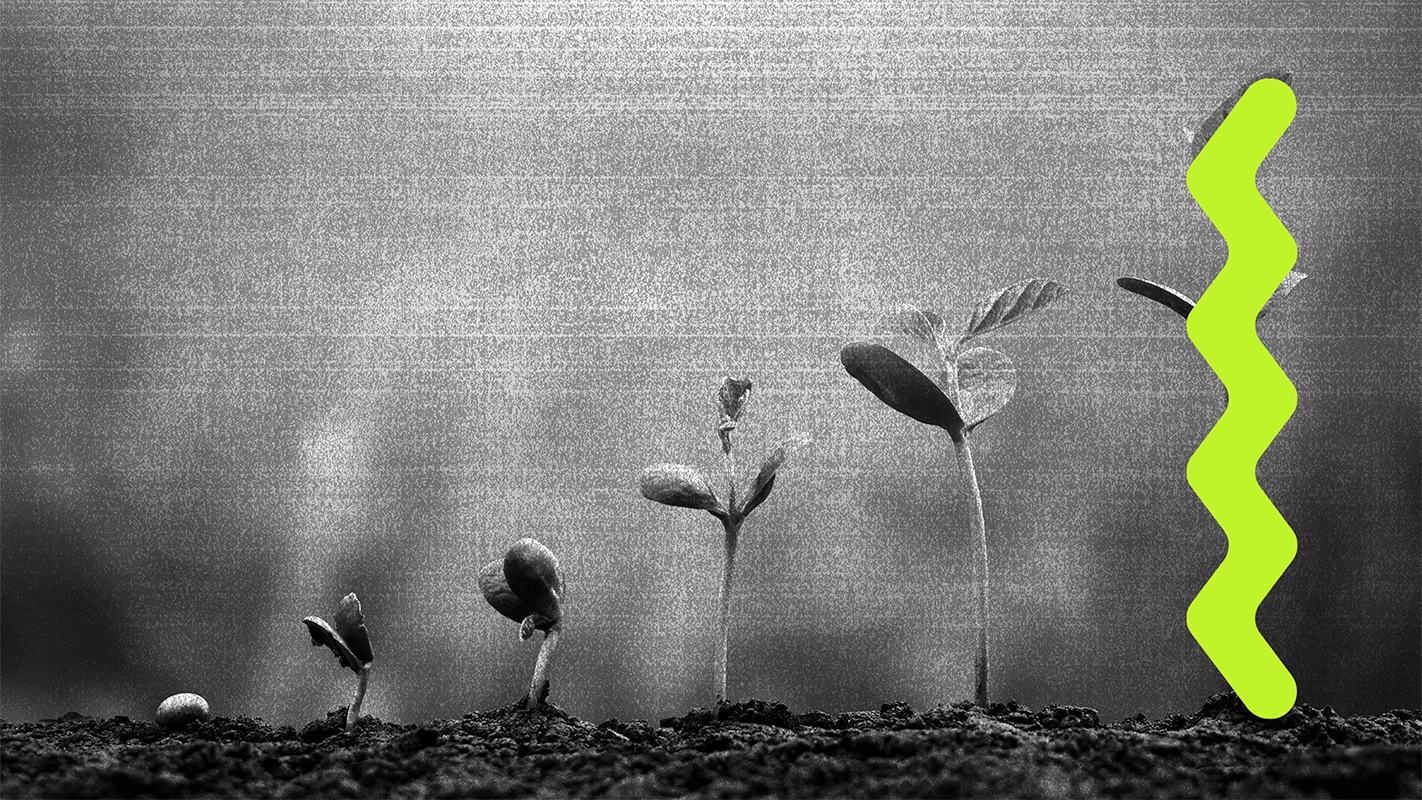
We are planting trees here, not milking cows, not harvesting crops. You cant grow a forest by demanding more from the ground, you build the conditions and tend to it. Agencies that last plant, tend, and grow their people. You cannot harvest your way to a high performing team.
Brilliant creative work needs the right conditions to thrive. At Streamtime, this is a problem space we're exploring. How could we use the work data we already have to notice when someone's running hot, long before they'd put their hand up and say so themselves. How can we help a business by recognising when the conditions aren’t right, and what gentle course corrections can we provide, that make the good environment self sustaining.
It won’t come in the form of a dashboard for a manager to check, it’s more likely a quiet nudge to the person it's actually about, as the work happens. This way, it’s early enough that a conversation is still just a conversation, not a crisis response.
The outcome we’re aiming for is individual support that lifts how the whole team performs. If we get this right, everyone wins. The client gets great work. The person feels good doing it. The business stays healthy, not because of a wellbeing program was bolted on the side, but because looking after your people and running a good business turned out to be the same job all along.